Though its juggernaut is Sauvignon Blanc, New Zealand’s second most-planted grape—12.5 percent of all vines—is Pinot Noir. And increasingly more of it is going not to sparkling wine or rosé, but into still red bottlings. A conference dedicated to New Zealand Pinot Noir lures wine professionals from around the globe. They come because they know that, especially in a world warming under climate change, the nation’s location in the Southern Ocean’s chilly Roaring Forties gives its Pinot Noir tremendous promise.
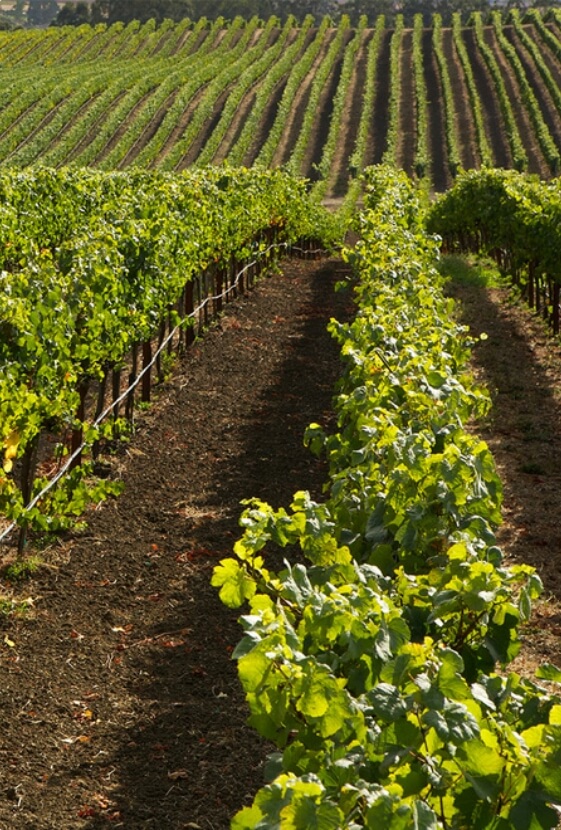
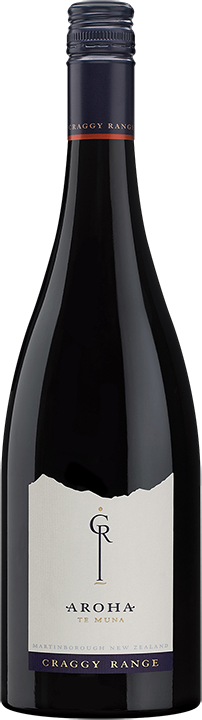
At the 250-hectare Te Muna Road Estate, Craggy Range national vineyard manager Jonathan Hamlet is overseeing the transition to regenerative agriculture—planting cereals and flowers under the vines to shore up microbial diversity in the soil; using straw and discarded wool from sheep shearing to keep down weeds; and restoring more than 25 hectares of native bush. That bodes well for Pinot Noir. Indeed, Hamlet has been ripping out 10 hectares of New Zealand’s preeminent grape, Sauvignon Blanc, in order to plant more Pinot. “We’re seeing huge growth in Pinot Noir,” says Craggy Range chief winemaker Ben Tombs. “It’s been on allocation, and we haven’t had enough of it.” With bottles like Craggy Ridge Aroha TeMuna—a Pinot Noir that presents both bright, red and rich, black currant flavors that roll into a firm, coffeelike finish—it’s easy to see why the next big chapter of New Zealand wine will be written in red.
Excerpt Taken From: Imbibe Magazine
Author: Betsy Andrews